
Understanding Dual Diagnosis Treatment in Florida
What Is Dual Diagnosis? A Comprehensive Overview
Dual diagnosis refers to the concurrent experience of a mental health disorder and a substance use disorder. This condition requires specialized treatment approaches that address both issues simultaneously – a necessity that is often overlooked in traditional rehabilitation. By understanding dual diagnosis and Marchman Act cases, individuals can gain insight into the complex relationship between mental illness and addiction. It is essential to recognize how these disorders influence one another, potentially worsening symptoms and complicating recovery without integrated treatment.
Individuals with dual diagnosis often present unique challenges, including more severe symptoms and resistance to traditional therapy methods. Addressing this requires a comprehensive assessment to tailor treatment strategies effectively. Multidisciplinary teams – including mental health professionals and addiction specialists – provide well-rounded support. The goal is a recovery approach that equips patients with practical strategies to manage both mental health and addiction successfully.
Why Dual Diagnosis Treatment Is Essential for Recovery
In Florida addiction recovery, dual diagnosis treatment is essential for meaningful healing. It addresses not just the symptoms but also the underlying causes of both mental health disorders and substance abuse. Treating one condition without addressing the other frequently results in relapse, as each disorder can fuel cycles in the other. Integrating mental health and addiction treatment significantly increases the likelihood of long-term recovery and stability.
Evidence-based treatment models developed for dual diagnosis incorporate comprehensive medical interventions, integrated therapy sessions, and peer support groups. These approaches work together to ensure individuals not only recover but also thrive. Dual diagnosis treatment also helps reduce stigma by framing mental health and addiction as interconnected rather than separate issues, encouraging individuals and families to seek help promptly and without hesitation. For a closer look at how substance abuse and mental health intersect, resources from Mental Health Centers offer useful context.
The Role of MarchmanAct.com in Florida’s Mental Health Landscape
MarchmanAct.com serves as a key resource in Florida’s mental health ecosystem, offering guidance and support for those managing the complexities of dual diagnosis. By providing accessible resources and expert intervention, MarchmanAct.com helps families in crisis, facilitating measures like involuntary commitment under Chapter 397 Florida. This legal framework enables crucial interventions for individuals who are unwilling or unable to seek voluntary treatment.
Specializing in court-ordered rehabilitation, MarchmanAct.com equips families with the knowledge and resources they need to pursue strategic, effective, and humane interventions. Their commitment to crafting individualized addiction treatment plans reflects a deep understanding of Florida’s diverse demographic needs. By fostering a collaborative environment, MarchmanAct.com creates a path where recovery is both compassionate and attainable. Families can also explore the Top Five Marchman Act Addiction Treatment Insights on Dual Diagnosis Florida for additional guidance.
The Marchman Act: A Pathway to Recovery
The Marchman Act Process: How It Works
The Marchman Act is a legal framework designed to provide individuals struggling with substance abuse a pathway to receive necessary treatment. This process involves filing a petition in civil court, which authorizes an evaluation and potential treatment for the person in question. The Marchman Act is particularly beneficial for individuals who refuse voluntary treatment due to denial of their addiction or mental health condition.
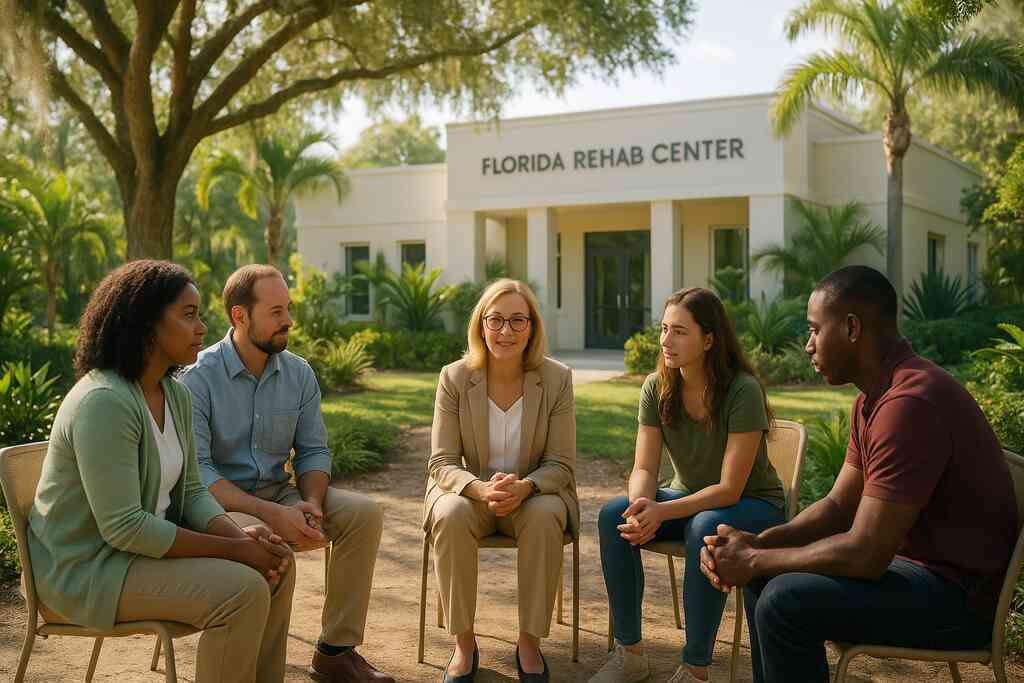
Understanding the steps involved – from assessment to court approval and subsequent treatment placement – is critical. With a focus on preserving the individual’s rights while prioritizing health and recovery, the Marchman Act balances compassion with necessary intervention. Engaging legal professionals and mental health experts throughout this process ensures it proceeds smoothly and in the best interest of the affected individual. Families can learn more about understanding Chapter 397 Florida and substance abuse petitions to better prepare for this process.
Filing a Marchman Act Petition: Who Can Help
Filing a Marchman Act petition requires informed guidance to move through the legal channels efficiently. Typically, family members, interested parties, or state-appointed entities can initiate this process. Working with professionals experienced in Marchman Act procedures streamlines filing and improves the effectiveness of interventions, leading to better outcomes.
MarchmanAct.com offers strong support throughout this process, connecting families with specialized attorneys and interventionists at every stage. By addressing both the emotional and legal complexities involved, their resources make filings more manageable, empowering families to act decisively and with care. For additional context on who can file a Marchman Act petition in Florida, MarchmanAct.com provides clear, step-by-step guidance. These proactive measures not only provide immediate assistance but also lay a foundation for sustainable recovery.
Marchman Act vs. Baker Act: Understanding the Differences
While both the Marchman Act and the Baker Act are Florida legal provisions designed to assist those experiencing mental health or substance use crises, there are notable distinctions between them. The differences between the Marchman Act and Baker Act lie primarily in their focus: the Marchman Act addresses substance abuse, while the Baker Act addresses mental health crises requiring psychiatric intervention.
Understanding these differences is vital for families seeking appropriate interventions. The Baker Act permits temporary detainment for psychiatric evaluations, while the Marchman Act opens doors to structured substance abuse treatment. Recognizing which act applies can make a meaningful difference in the response and support an individual receives, helping align them with suitable resources and a stronger path to recovery.
Frequently Asked Questions
Question: What makes dual diagnosis treatment essential for Florida addiction recovery?
Answer: Dual diagnosis treatment is essential for Florida addiction recovery because it addresses both mental health disorders and substance use disorders at the same time. In Florida, individuals often face unique challenges with co-occurring disorders, which can lead to more severe symptoms and a higher likelihood of relapse if each condition is treated separately. By integrating mental health care with addiction recovery strategies, treatment significantly improves the chances of achieving long-term stability and wellness. Florida addiction recovery depends on comprehensive support from multidisciplinary teams, helping individuals effectively manage both mental health and addiction.
Question: How does the Marchman Act provide a pathway to recovery for those with substance abuse issues?
Answer: The Marchman Act provides a structured legal framework to help individuals struggling with substance abuse receive necessary treatment. This involves filing a petition in civil court to authorize an evaluation and treatment for those unwilling to seek voluntary help. The process balances the individual’s rights with health priorities, ensuring interventions are compassionate and effective. The Marchman Act is particularly beneficial for individuals in denial of their addiction, guiding them toward recovery with legal and professional support from intervention specialists and mental health professionals in Florida.
Question: Can you explain the differences between the Marchman Act and Baker Act?
Answer: The Marchman Act and Baker Act serve different purposes within Florida’s mental health and legal systems. The Marchman Act focuses on substance abuse treatment, enabling families to petition for involuntary commitment to address addiction issues. The Baker Act, by contrast, addresses mental health crises requiring psychiatric intervention and permits temporary detainment for psychiatric evaluations. Understanding which act to use is critical for families seeking appropriate interventions, ensuring individuals receive the right support, resources, and recovery path tailored to their needs, as discussed in Marchman Act and Baker Act: Comparing Florida Procedures.
Question: How does MarchmanAct.com 2026 Guide to Dual Diagnosis Treatment Florida help individuals and families?
Answer: The MarchmanAct.com 2026 Guide to Dual Diagnosis Treatment Florida offers valuable resources and guidance for individuals and families managing the complexities of co-occurring disorders. By outlining effective dual diagnosis treatment strategies, the guide emphasizes integrated approaches that address both substance abuse and mental health issues. MarchmanAct.com provides expert intervention services and connects families with professionals who understand the nuances of dual diagnosis treatment, ensuring a comprehensive path to recovery. With detailed information on legal processes and tailored treatment plans, MarchmanAct.com empowers individuals and families to seek help confidently and successfully, as explored in Top 5 Marchman Act Attorney Tips for Florida Families 2026.