
When a loved one is spiraling, which kind of rehab actually gives you legal control
The phone calls usually come late. By then, you may have already watched the missed shifts, the borrowed money, and the excuses pile up. If you are reading this with a knot in your stomach, that reaction makes sense. You are trying to protect someone you love without making the crisis worse. In Florida, the real question is not only about treatment. It is about who can make treatment happen.
The difference between choosing treatment and being forced into it under Florida law
Voluntary rehab in Florida means the person agrees to assessment and treatment. They sign the paperwork. They can usually choose among options such as detox, inpatient rehab, or outpatient care. That consent matters because it keeps the process cooperative, faster, and often less confrontational.
Involuntary rehab in Florida works differently. Under the Marchman Act, families may seek court involvement when substance use has created a serious risk and the person will not accept care. This is often described as court-ordered rehab or forced rehab, but the legal process is more precise than those phrases suggest. It is a civil commitment process, not a criminal punishment.
Why voluntary rehab can work when someone agrees to assessment and stabilization
Voluntary care often works best when the person can still participate in decisions. That cooperation allows a substance abuse assessment, a treatment recommendation, and a smoother move into stabilization if needed. In many cases, that path keeps momentum without waiting for court action.
Here is the part most families miss: voluntary admission can still be firm, structured, and highly responsive. A person struggling with alcohol, opioids, fentanyl, cocaine, heroin, or prescription drugs may agree to immediate help once the crisis is named clearly. If they are willing, you may avoid the delays that come with a petition and hearing.
When involuntary rehab becomes the only realistic option in an addiction crisis
Sometimes the person cannot or will not see the danger. They may refuse detox after an overdose scare. They may promise change, then disappear again. They may be dealing with dual diagnosis concerns, where mental health symptoms and substance use feed each other. In that moment, involuntary treatment may be the only realistic path to stabilization.
We hear this from families every week: a son in Tampa, a daughter in Orlando, a spouse in Jacksonville. The pattern is painful but familiar. The addiction crisis keeps escalating, and the family runs out of persuasive words. When safety is slipping, the legal process can create structure that love alone cannot.
What families in Miami-Dade, Broward, and Palm Beach usually ask before making the next move
Families in Miami-Dade, Broward, and Palm Beach usually ask the same practical questions first. How fast can help happen? Will the person get detox? Who can file? What rights does the loved one still have? Those questions matter because every hour in an opioid epidemic in Florida can feel expensive in a way money cannot measure.
If you are in one of those counties, you may also be trying to balance work, children, and a phone that keeps ringing with bad news. That is hard. A calm plan matters more than a perfect one. If you need local guidance, Marchman Act help in Miami-Dade County can help you understand the county process without adding more confusion.
Inside the Florida legal fork in the road between consent and civil commitment
The legal difference between voluntary admission and involuntary commitment can feel abstract until it lands in your kitchen. Then it is urgent. Florida families often think they need to choose between doing nothing and forcing rehab. The truth is more nuanced. The Marchman Act gives you a civil path, but only if the facts support it.
How the Marchman Act under Florida statute Chapter 397 differs from voluntary admission
The Marchman Act sits inside Florida statute Chapter 397, which governs substance abuse services. It allows a petition for involuntary treatment when substance use has impaired judgment and created a serious risk of harm. That is different from voluntary rehab, where the person consents and can usually leave more easily.
The statute was designed to address crisis, not convenience. It does not guarantee treatment in every case. It also does not replace medical judgment. Families often use it when alcohol, opioids, fentanyl, cocaine, heroin, or prescription drugs have pushed the person beyond reasonable self-direction.
What assessment criteria, substance abuse evaluation, and ASAM placement really mean
Before treatment starts, providers usually look at assessment criteria and the person’s current level of need. That may include withdrawal risk, relapse risk, mental health symptoms, medical instability, and family safety concerns. A proper substance abuse assessment helps determine whether detox, inpatient rehab, or outpatient care makes the most sense.
The ASAM criteria help match the person to the right level of care. That framework looks at intoxication, withdrawal, biomedical issues, emotional conditions, readiness for change, relapse risk, and recovery environment. If you want the deeper clinical side, Florida substance abuse assessment and treatment placement explains how placement decisions are actually made.
Where the Baker Act fits and why mental health holds are not the same as addiction commitment
The Baker Act comparison comes up often because families assume any crisis hold is the same. It is not. Marchman Act vs Baker Act matters because the Baker Act addresses mental health emergencies, while the Marchman Act addresses substance use disorder. Both involve involuntary treatment, but they serve different legal and clinical purposes.
A person can need both. Someone with psychosis, suicidal thoughts, or severe mania may fit a Baker Act pathway. Someone whose primary emergency is alcohol, opioids, or other drugs may need the Marchman Act instead. In Florida, confusion between the two can waste time, and time matters in a crisis.
What an ex parte order, hearing before a judge, and petition can mean for rights and process
The words sound formal because they are. A petition asks the court to review the facts. An ex parte order may allow temporary action without the other party present, depending on the circumstances and the court’s findings. Then a hearing before a judge gives the person a chance to be heard. 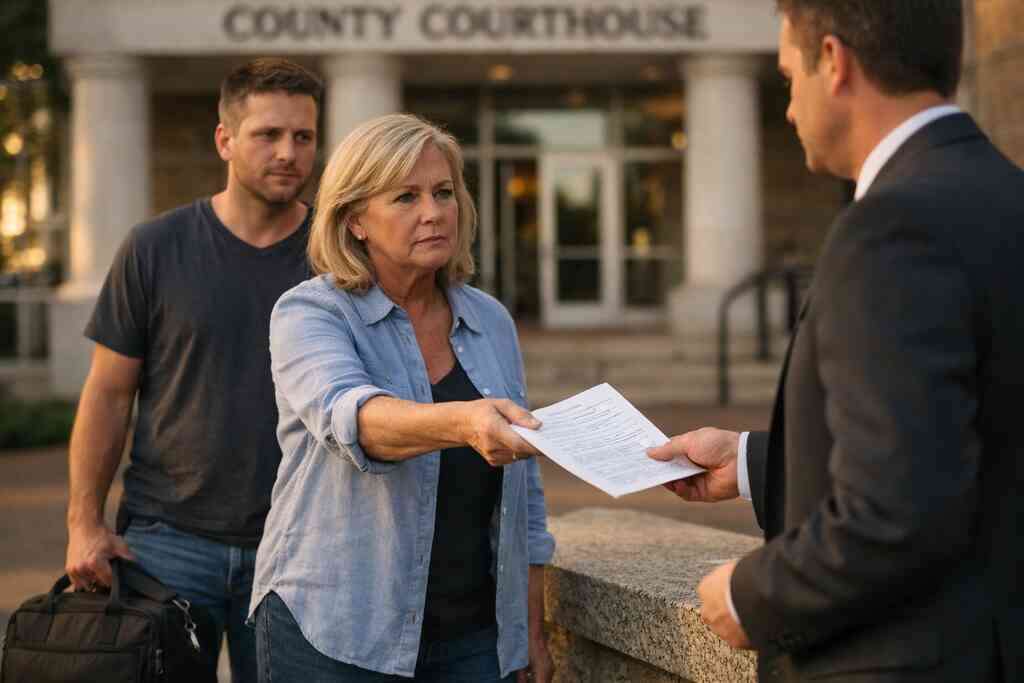
That process affects rights in involuntary rehab. The person is not stripped of all rights simply because a petition is filed. They may have notice, representation, and the chance to contest the case. For a plain-language overview of the process, see court-ordered rehab in Florida through civil commitment. ### Who can file a Marchman Act petition and when an attorney becomes part of the picture
The question of who can file a Marchman Act petition comes up constantly. In Florida, eligible petitioners may include certain family members, guardians, or others with a qualifying relationship, depending on the facts and statutory rules. Because the details matter, you should verify the current filing requirements before moving forward.
An attorney for a Marchman Act case becomes especially helpful when the facts are contested or the person has a complex legal history. If the petition may trigger a hearing, rights arguments, or emergency orders, legal guidance can reduce mistakes. Families who need help understanding the process often start with how to file a Marchman Act petition in Florida and, if needed, legal rights in involuntary rehab in Florida.
Choosing the path that fits the crisis without losing time, rights, or momentum
The best path is not always the most dramatic one. Sometimes a voluntary admission is enough. Sometimes a petition is the only way to keep someone alive long enough for treatment to work. The real task is matching the legal tool to the actual crisis. That means thinking about medical stability, mental health, insurance, and whether the person can safely participate in care.
How detox, inpatient rehab, outpatient care, and crisis stabilization are used after a petition
After a successful petition, the court process may lead to detox and stabilization before longer treatment begins. Detox is not the same as rehab. It is the medically supervised phase that helps someone manage withdrawal from alcohol, opioids, fentanyl, or other substances. For a closer look at that phase, Florida detox and stabilization after a Marchman Act filing is useful.
From there, providers may recommend inpatient rehab, outpatient rehab, or a crisis stabilization unit. The right level depends on danger, withdrawal risk, and support at home. One family in Broward told us they thought outpatient care would be enough, but repeated overdoses changed the picture. The court process helped them get the person into a safer setting quickly.
Where dual diagnosis care and medication-assisted treatment like naltrexone or buprenorphine may fit
Many people in involuntary treatment also need dual diagnosis care. That means substance use and mental health are treated together. Anxiety, depression, trauma, bipolar disorder, and psychosis can all affect relapse risk. If those issues are ignored, the recovery plan can break down fast.
Medication-assisted treatment can also matter. Naltrexone and buprenorphine are FDA-approved medications that may help some people with opioid use disorder. They are not magic, and they are not right for everyone. Still, they can reduce cravings or block opioid effects when used appropriately. For a deeper explanation, Florida dual diagnosis treatment in involuntary care can help you see where medication and therapy fit together.
How insurance, Medicaid, Medicare, and private pay can affect the treatment options available
Money changes the map. Insurance, Medicaid, Medicare, and private pay can affect where a person is placed and what services are covered. Some programs accept certain plans more readily than others. Some county systems and community resources can fill gaps when coverage is limited.
That does not mean you should wait to act. It means you should ask about coverage early, before the crisis deepens. A good treatment team will help you understand what is available and what may need authorization. If you are comparing payment routes, insurance coverage for rehab in Florida is a practical place to start.
What county resources and Florida DCF or SAMHSA tools can add in Tampa, Orlando, Jacksonville, and beyond
Florida does not operate in a vacuum. County resources, Florida DCF, and SAMHSA tools can help you locate care, clarify referrals, and understand local options. Families in Tampa, Orlando, and Jacksonville often use those resources while waiting on placement or after stabilization.
Local systems can also be the bridge to continuing care. In Hillsborough County near Tampa, Orange County, and other large service areas, the right referral can shorten a painful delay. If you need county-specific guidance, try Marchman Act help in Hillsborough County near Tampa or Marchman Act help in Orange County on Florida rehab options. For broader public tools, SAMHSA’s treatment locator can be a useful backup.
When voluntary rehab, family intervention, or a Marchman Act case is the better next move
The best choice depends on cooperation and danger. Voluntary rehab is often the cleanest path when the person agrees to assessment. A family intervention may help when the person is wavering but still reachable. A Marchman Act case becomes more appropriate when denial, relapse, or overdose risk keeps overriding good intentions.
Here is what almost no online guide says plainly: timing matters more than pride. If the person is still talking, still listening, and still willing, use that window. If the window is gone, legal action may save time. If you need a local starting point, Marchman Act help in Broward County and Marchman Act help in Palm Beach County can help you compare realistic next steps.
Frequently Asked Questions
Question: In The Difference Between Voluntary and Involuntary Rehab in Florida, how do I know whether voluntary rehab in Florida or involuntary rehab in Florida is the right next step?
Answer: The best starting point is usually a careful look at safety, willingness, and urgency. If your loved one agrees to a substance abuse assessment and is willing to enter treatment, voluntary rehab in Florida may move faster and feel less confrontational. If the person refuses help, keeps relapsing, or is facing an addiction crisis involving alcohol, drugs, opioids, fentanyl, cocaine, heroin, or prescription drugs, involuntary rehab in Florida through the Marchman Act may be worth exploring. MarchmanAct.com helps families understand these options, compare voluntary admission with civil commitment for addiction, and decide whether detox, inpatient rehab, outpatient rehab, or a crisis stabilization unit is the most appropriate next step. We always encourage families to focus on the facts of the situation and the person’s immediate safety, because timing can matter a great deal in substance use disorder treatment.
Question: How does the Marchman Act work under Florida statute Chapter 397, and what should families know about the legal process for involuntary treatment?
Answer: The Marchman Act is Florida’s civil commitment process for substance use disorder when someone is unable or unwilling to seek care and there is a serious risk of harm. Under Florida statute Chapter 397, a petition may lead to review by the court, and in some situations an ex parte order or a hearing before a judge may follow depending on the facts and the court’s findings. Families should understand that this is not a criminal case and it is not the same as the Baker Act, which applies to mental health emergencies. MarchmanAct.com guides families through the legal process for involuntary treatment with a compassionate, practical approach, helping them understand what documentation may matter, how a petition is typically evaluated, and what rights in involuntary rehab should be considered along the way. Because Florida legal procedures can change and details matter, we encourage families to verify current requirements with qualified legal guidance when needed.
Question: What is the difference between the Marchman Act vs Baker Act, and when might dual diagnosis treatment be needed instead of choosing just one path?
Answer: The Marchman Act vs Baker Act question comes up often because families are usually dealing with a crisis that involves both substance use and mental health symptoms. The Marchman Act is designed for alcohol and drug-related situations, while the Baker Act is used when the primary emergency is a mental health crisis. In some cases, a person may need dual diagnosis treatment because mental health and addiction are connected and both need to be addressed together for the treatment plan to make sense. MarchmanAct.com helps families understand the Baker Act comparison so they can avoid wasting time on the wrong pathway and better identify whether addiction treatment center placement, stabilization, or a different level of care is needed. If a loved one is dealing with depression, anxiety, trauma, bipolar symptoms, or psychosis alongside substance use, a coordinated approach can make the next step clearer.
Question: Who can file a Marchman Act petition, and how can MarchmanAct.com help families prepare for the process?
Answer: The answer to who can file a Marchman Act petition depends on Florida law and the petitioner’s relationship to the person in crisis, so it is important not to guess or rely on outdated information. In general, eligible petitioners may include certain family members, guardians, or others who meet the legal requirements, but families should confirm the current rules before filing. MarchmanAct.com helps people understand how to file Marchman Act paperwork in a way that is organized and realistic, with an emphasis on supporting family intervention, gathering relevant facts, and avoiding unnecessary delays. We also help families think through what evidence may support the petition, what rights the person may still have, and whether an attorney for a Marchman Act case is appropriate if the situation is contested or urgent.
Question: Does insurance cover Marchman Act treatment, and what options exist if my family needs Florida rehab support in counties like Miami-Dade, Broward, Palm Beach, Orange, Hillsborough, Tampa, Orlando, or Jacksonville?
Answer: Insurance coverage for rehab can vary widely depending on the plan, the provider, and the level of care recommended after assessment. Some people may use Medicaid, Medicare, or private pay, while others need help locating county resources for addiction help or public tools such as SAMHSA and Florida DCF referrals. MarchmanAct.com helps families think through these practical issues early so they are not trying to solve payment questions in the middle of a crisis. We support families across Florida, including Miami-Dade, Broward, Palm Beach, Orange, Hillsborough, Tampa, Orlando, and Jacksonville, by helping them understand possible treatment pathways such as detox and stabilization, inpatient rehab, outpatient rehab, or medication-assisted treatment with options like naltrexone or buprenorphine when appropriate. Our goal is to help families move from confusion to a workable plan for long-term recovery support.
Question: What are the alternatives to Marchman Act action if my loved one is not ready for forced rehab, and how can a family intervention help save a life from addiction?
Answer: If your loved one is still somewhat open to help, alternatives to Marchman Act action may include a structured family intervention, a direct conversation with an interventionist in Florida, or an immediate referral to a substance abuse assessment and treatment placement. Voluntary rehab in Florida can be the fastest and least adversarial option when the person agrees to accept help, while involuntary commitment may be needed when denial and safety risks keep escalating. MarchmanAct.com helps families compare these paths without judgment, because sometimes the most effective approach is the one that matches the person’s current level of readiness. We encourage families to act early, use calm but firm communication, and consider professional guidance when the situation involves repeated relapse, overdose risk, or an opioid epidemic in Florida emergency. When the goal is saving a life from addiction, having a clear plan matters more than waiting for the crisis to become worse.