
Navigating the Complex Landscape of Addiction Treatment in Florida
Understanding the Marchman Act and Its Role in Court-Ordered Rehab
The Marchman Act is a critical legal provision in Florida that allows for court-ordered addiction treatment. It provides a safety net for individuals who, due to severe substance abuse issues, may be a danger to themselves or others. This legal framework is initiated when a loved one files an involuntary treatment petition. If approved by the court, it can result in mandatory participation in a rehabilitation program. The Florida Marchman Act overview offers insights into the legal mechanics of this act, detailing how families can initiate an intervention that leads to compulsory rehab. While it serves as a lifeline for many, understanding its implications prepares families for the legal processes they will encounter.
Voluntary Rehab Options: A Path to Self-Driven Recovery
Voluntary rehab options in Florida provide a contrasting approach to addiction treatment. Individuals choosing this path often do so because they recognize a personal need for recovery, allowing them more agency and commitment in their treatment journey. These programs usually encompass a range of services, such as detoxification, counseling, and aftercare, which are designed to support long-lasting recovery. Participating in a voluntary rehab option in Florida allows for flexibility, enabling participants to select programs-be it inpatient or outpatient-that best fit their schedules and personal needs. This self-driven approach can be highly effective, as it capitalizes on the individual’s intrinsic motivation to change, often resulting in enduring positive outcomes.
Current Trends in Florida’s Addiction Treatment Landscape
The landscape of addiction treatment in Florida is rapidly evolving, embracing innovative approaches to meet the growing needs of individuals struggling with substance abuse. Recent trends indicate a significant shift towards more holistic and integrative treatment modalities, integrating mental health therapies alongside traditional addiction interventions. Facilities across the state are adopting state-of-the-art technologies and methodologies to improve recovery rates. Furthermore, the emphasis on dual diagnosis treatment, which addresses both addiction and co-occurring mental health issues, is on the rise. These developments are reflected in the increased availability of diverse rehab options, addressing specific addictions such as opioid and fentanyl dependency. As the treatment landscape adapts, Florida remains at the forefront, offering varied avenues for those seeking recovery.
The Intricacies of Court-Ordered Treatment vs Voluntary Rehab
Legal Implications and Rights in Court-Ordered Rehab
Participation in court-ordered rehab under the Marchman Act involves navigating a complex legal landscape. Individuals entering these programs are subject to legal mandates that structure their treatment path, which ensures compliance and protects their rights. A key consideration is understanding the extent of legal rights in addiction treatment within Florida. While individuals have obligations to fulfill treatment requirements, they are also entitled to due process and appropriate care throughout the rehabilitation period. Legal frameworks are in place to ensure these rights are upheld, providing safeguards for participants to contest or appeal decisions within the legal system. For a deeper understanding of the legal process, our guide on how to file a Marchman Act petition in Florida 2026 can be a valuable resource.
Pros and Cons: Weighing Involuntary Commitment Against Voluntary Treatment
Both court-ordered rehab and voluntary treatment in Florida come with respective advantages and drawbacks. Involuntary commitment can act as a crucial intervention for those unable or unwilling to seek help independently. It provides a structured environment aimed at initiating recovery in individuals who may otherwise resist treatment. However, the success of such initiatives largely depends on the individual’s acceptance of the program and personal commitment to change. Conversely, voluntary treatment fosters empowerment, as participants take control of their own recovery journey. It encourages engagement and cooperation, often translating into more positive outcomes. On the downside, individuals must recognize their need for treatment to enter voluntarily, which can be a barrier for those still in denial about their addiction.
Impact on Recovery: How Forced Rehab Influences Long-Term Success
The impact of forced rehab on long-term recovery success is a subject of ongoing debate. While court-mandated programs ensure that individuals undergo necessary treatment, the lack of personal motivation can diminish the effectiveness of the experience. According to research and anecdotal evidence, the impact of forced rehab on recovery can vary significantly. Success often hinges on how the program addresses individual needs and connects with participants on a deeper, motivational level. Positive outcomes are more likely when the treatment facility embraces a holistic approach, combining medical intervention with psychological and emotional support. Such strategies enhance the individual’s willingness to embrace and sustain sobriety even after the court-mandated aspect concludes.
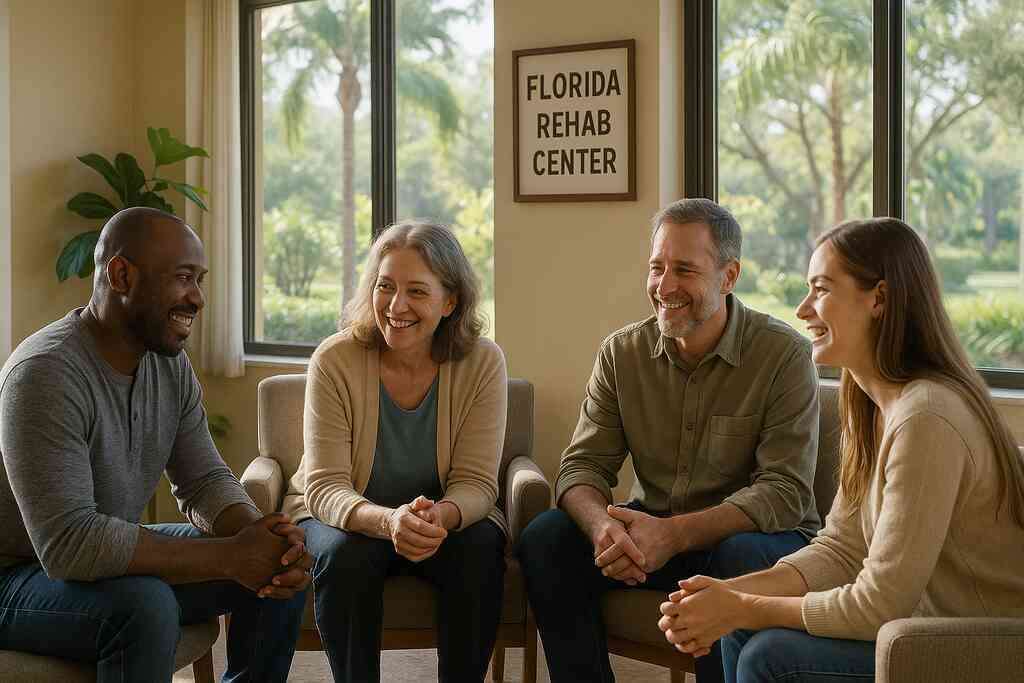
Choosing the Right Path: Personalized Approaches to Recovery
Holistic and Personalized Treatment Plans in Florida
Florida’s approach to addiction treatment increasingly leans towards holistic and personalized plans. Recognizing that each individual’s journey to recovery is unique, treatment centers are offering tailored programs that combine traditional and alternative therapies. Holistic rehab programs in Florida may include yoga, meditation, nutritional counseling, and other integrative approaches designed to address the body, mind, and spirit. Personalized care plans are developed through comprehensive assessments that identify the specific needs and goals of each participant. This customization not only enhances the relevance and efficacy of the treatment but also raises the likelihood of maintaining long-term sobriety.
Family Support and Intervention Strategies
Family plays a pivotal role in the recovery process, and their involvement can significantly influence the effectiveness of both court-ordered and voluntary treatment programs. Intervention strategies that engage family members enable a more supportive network and establish communal accountability. Educating families on effective communication and conflict resolution techniques can bridge gaps and fortify familial bonds essential for sustained recovery. Marchman Act intervention strategies include coaching families to successfully initiate interventions and facilitate open dialogues, thereby enhancing the probability of treatment compliance and active participation.
Funding and Insurance: Navigating Financial Aspects of Rehab
Financial considerations can be a significant barrier to accessing addiction treatment. However, understanding insurance coverage for Florida rehab can alleviate some of these concerns. Various funding avenues are available, including private insurance plans that cover different facets of addiction treatment, ranging from detox to outpatient therapy. Additionally, public assistance programs and scholarships can provide necessary support for those lacking adequate coverage. Understanding financial obligations, eligibility for aid, and navigating the often complex insurance processes are vital for families seeking to ensure their loved ones receive the care they need without incurring insurmountable debt. You can learn more about coverage specifics in our article, does insurance cover Marchman Act treatment at MarchmanAct.com.
By understanding these facets of addiction treatment, families can make informed decisions about the best course of action for their loved ones. For those uncertain about where to begin, connecting with resources provided by MarchmanAct.com can offer tailored guidance and support. For immediate assistance, consider contacting their 24-hour helpline to discuss your concerns and explore available options for intervention and treatment.
Frequently Asked Questions
Question: How does the Marchman Act facilitate court ordered addiction treatment in Florida?
Answer: The Marchman Act is a vital tool in Florida’s legal framework for addressing severe substance abuse problems through court ordered addiction treatment. It allows families to file a petition for involuntary treatment when they believe a loved one poses a danger to themselves or others due to addiction. Upon approval, the court mandates participation in a rehabilitation program, guiding individuals into necessary treatment they might resist otherwise. At MarchmanAct.com, our specialists are well-versed in navigating the complex legal landscape of the Marchman Act, ensuring your loved one’s rights are upheld while facilitating effective intervention.
Question: What are the benefits of choosing voluntary rehab options over court-ordered rehab as discussed in the blog ‘Court Ordered Treatment vs Voluntary Rehab in Florida 2026’?
Answer: Voluntary rehab options offer individuals more control over their treatment journey, fostering a sense of empowerment and commitment. Participants in voluntary rehab programs are often more engaged in their recovery process, which tends to result in more favorable long-term outcomes. The flexibility to select inpatient or outpatient services that best match personal needs allows individuals to tailor their treatment plans. MarchmanAct.com provides comprehensive information about both voluntary and court-ordered rehab options in Florida, helping you make informed choices suitable for your circumstances.
Question: What are the legal rights of individuals undergoing court-mandated rehab under the Marchman Act?
Answer: Individuals participating in court-mandated rehab under the Marchman Act have specific legal rights designed to protect their well-being and dignity throughout the treatment process. They are entitled to due process, ensuring that their legal rights are upheld and providing options to contest or appeal decisions. This legal protection is integral to the Marchman Act, balancing necessary treatment with individual rights. The team at MarchmanAct.com can help you understand these rights in detail and guide you through any legal processes, ensuring the treatment complies with legal standards.
Question: How do family intervention strategies enhance the effectiveness of rehab programs in Florida?
Answer: Family intervention strategies play a crucial role in enhancing the effectiveness of both court-ordered and voluntary rehab programs. Active family involvement provides emotional support, increases accountability, and fosters a nurturing environment conducive to recovery. MarchmanAct.com offers insights into Marchman Act intervention strategies that effectively leverage family involvement for intervention success. Educating families on communication techniques and conflict resolution helps create a supportive network vital for sustained recovery.
Question: What financial options are available for funding addiction treatment in Florida?
Answer: Funding for addiction treatment in Florida can come from various sources, including private insurance, public assistance programs, and scholarships. MarchmanAct.com offers detailed information on insurance coverage for rehab, helping families and individuals navigate the complexities of financial planning for treatment. Understanding your eligibility for aid and how different insurance plans cover aspects of addiction treatment can significantly ease the financial burden, making vital rehabilitation services more accessible.