
Navigating the Complex Landscape of Involuntary Commitment
Understanding the Need for Involuntary Commitment
Involuntary commitment is a deeply complex and often controversial topic, yet it remains a vital component of Florida’s approach to addressing severe substance abuse and mental health crises. When a loved one struggles with addiction or mental health issues and refuses help, involuntary commitment may be a necessary step. The decision to intervene is never easy, but it can be life-saving. Many families find themselves torn between respecting individual autonomy and ensuring the safety and well-being of their loved one. Understanding the urgency and necessity of such steps can help families make informed decisions.
Legal Frameworks and Their Implications
Florida law provides several frameworks for involuntary commitment, primarily governed by the Marchman Act and the Baker Act. Each of these legal measures has distinct criteria and processes tailored to specific situations. The Marchman Act focuses on substance abuse issues, allowing families to petition the court for mandatory assessment and treatment. The Baker Act, on the other hand, is used primarily for mental health crises, permitting the involuntary examination of an individual who may pose a threat to themselves or others. Understanding the implications of each option – and how they can affect both the individual and the family – is essential before taking action.
The Emotional Journey for Families
The emotional journey for families considering involuntary commitment can be overwhelming. Guilt, fear, and hope can fluctuate as families contemplate the best path forward for their loved one. Families may struggle with their role in the process, questions of morality, and the fear of further estrangement. It is critical for families to seek support from professionals and community resources to work through these emotional challenges. Engaging with community support, therapy, or counseling can build the emotional resilience needed during this difficult journey.
1 – The Marchman Act: A Lifeline for Families
Key Features of the Marchman Act
The Marchman Act is an essential tool for families aiming to help a loved one battling substance abuse. Under this law, family members can petition the court to mandate assessment and treatment for an individual struggling with addiction. This legal process can provide a structured environment for change, addressing severe addiction cases involving substances like opioids or alcohol. The Act ensures that individuals receive evaluations and can be safely detained for treatment if deemed necessary. In many cases, this structured intervention becomes the catalyst for turning lives around.
Filing a Marchman Act Petition: Step-by-Step
Filing a petition under the Marchman Act requires specific steps that should be carefully followed to ensure success. A petition must first be filed with the county court clerk’s office. This document should clearly explain why the individual needs treatment and the risks involved if help is not provided. The court then evaluates the petition and may issue an order for assessment, followed by possible treatment. Understanding the steps to file a Marchman Act petition can empower families to take timely and decisive action. For a detailed walkthrough, families can also review how to file a Marchman Act petition in Florida 2026.
Success Stories: Transformations Through the Marchman Act
Over the years, countless families have shared success stories where the Marchman Act played a crucial role in overcoming addiction. These accounts often illustrate profound transformations – individuals entering mandated treatment and ultimately embracing recovery. Such outcomes underscore the potential of involuntary commitment to save lives and rebuild family bonds. Exploring success stories on the Marchman Act blog often gives families hope and motivation, reinforcing that change is possible even in seemingly hopeless situations.
2 – The Baker Act: Addressing Mental Health Crises
When to Consider the Baker Act
The Baker Act serves as a critical intervention tool for individuals experiencing severe mental health crises. Families should consider this option when a loved one’s mental stability deteriorates to the point where they are a danger to themselves or others. Recognizing the signs and understanding the severity of the situation are essential to making a prompt decision. Timeliness is crucial, as the Baker Act aims to stabilize the individual quickly and connect them with the services they need. Resources on understanding the Baker Act in Florida can be invaluable for families assessing this option.
Comparing the Baker Act and Marchman Act
While both the Baker Act and the Marchman Act address involuntary commitment, they serve distinct purposes. The core difference lies in their focus: the Baker Act deals with mental health crises, while the Marchman Act addresses substance abuse. Each Act has specific criteria and procedural differences, which families must understand to determine the appropriate course of action. A thorough comparison of the Marchman Act and Baker Act can clarify these distinctions and support more informed decision-making. Families may also find it helpful to review Baker Act versus forced rehab in Florida for additional context.
Handling Mental Health Emergencies in Florida
Handling a mental health emergency requires quick thinking and careful coordination within Florida’s healthcare system. Initiating the Baker Act involves immediate action, such as contacting mental health professionals or law enforcement when a crisis arises. During these critical moments, healthcare providers and legal advisors may both play a role in ensuring the individual’s safety and access to treatment. Understanding the full range of available services can empower families during emergencies, ensuring that their loved one receives comprehensive and compassionate care.
3 – Court-Ordered Rehab: Legal Pathways to Recovery
Understanding Court-Ordered Treatment Options
Court-ordered rehab offers a legal pathway to recovery for individuals struggling with severe addiction. This form of intervention is typically ordered by a judge when an individual is deemed incapable of seeking help independently. The process integrates legal and therapeutic measures to guide the individual toward long-term recovery. Various options – such as inpatient programs or intensive therapy – fall under court-ordered rehab and can be tailored to match the individual’s specific needs. Understanding court-ordered treatment options in Florida provides crucial insight into this structured recovery path.
The Role of Legal Professionals in Court-Ordered Rehab
Legal professionals play a pivotal role in facilitating court-ordered rehab, guiding families through intricate legal processes. Attorneys specializing in involuntary commitment help families with petition accuracy and effective case presentation. Their expertise ensures that legal requirements are met at every stage, from initial filing to court representation. Collaborating with knowledgeable legal professionals can significantly improve the chances of a successful outcome, laying a solid foundation for effective intervention and lasting recovery.
Balancing Legal and Emotional Considerations
Court-ordered rehab requires a balanced approach that addresses both legal obligations and emotional realities. While the legal steps are necessary to facilitate treatment, sensitivity to the individual’s emotional and psychological state is equally important. Supporting the individual emotionally throughout this process can significantly influence their engagement with treatment. Maintaining this balance ensures that the individual’s dignity and well-being are prioritized while adhering to the legal framework designed to support their recovery.
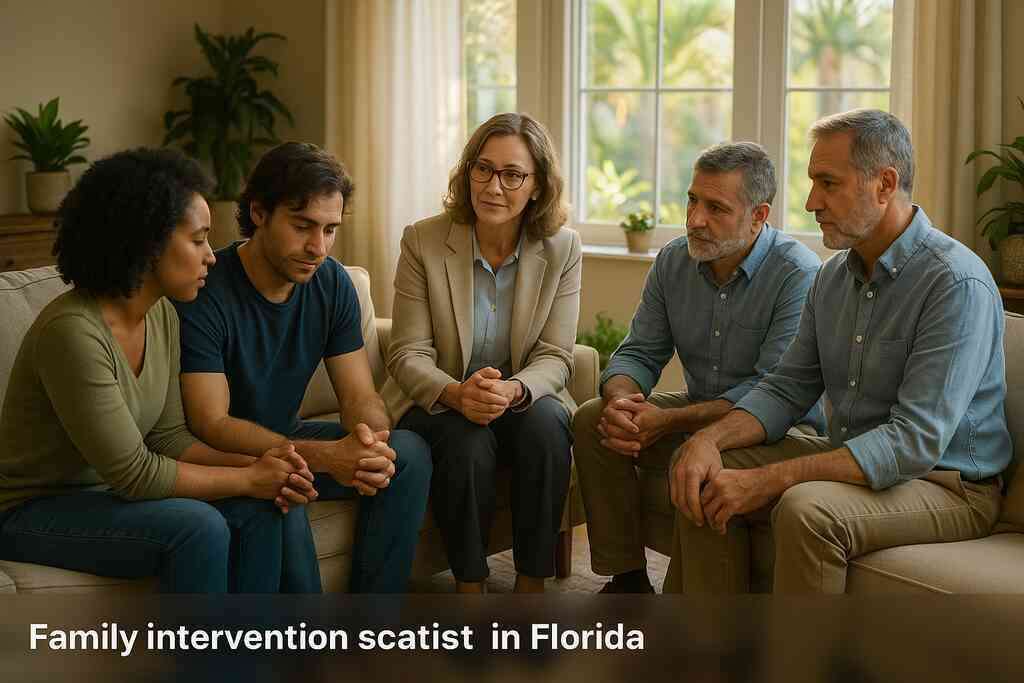
4 – Family Intervention: A Compassionate Approach
Planning an Effective Family Intervention
Planning an effective family intervention requires strategic preparation and genuine compassion. Family members must present a united front, expressing concern and support for the individual who needs help. Successful interventions are typically well-organized and involve prior consultation with professionals who can guide the process. Addressing issues directly and constructively can often lead to a breakthrough, encouraging the individual to acknowledge their need for help. Reviewing effective family intervention planning steps can make a meaningful difference in these challenging situations.
Working with Intervention Specialists
Intervention specialists bring expertise and objectivity that is invaluable when emotions run high. These professionals help mediate the conversation, keeping it focused and constructive. Their presence provides guidance on communication techniques and emotional management, maximizing the effectiveness of the intervention. Working with experienced interventionists increases the likelihood of a positive outcome and helps families manage the significant stress these situations carry. Families can also explore top Marchman Act techniques for Florida intervention success for additional strategies.
Case Studies: Successful Family Interventions
Numerous case studies demonstrate the power of family intervention in redirecting lives toward healing. Families often recount how a structured, well-planned intervention led their loved ones to accept help and begin treatment. These stories highlight not only the effectiveness of intervention but also the healing it can bring to the entire family unit. For families seeking inspiration, these accounts reinforce the message that recovery – though challenging – is attainable.
5 – Emergency Detention: A Critical Measure
Legal Grounds for Emergency Detention
Emergency detention becomes necessary in scenarios where immediate intervention is required to prevent harm. This legal tool is essential for protecting individuals who pose a danger due to their mental state or substance abuse issues. Emergency detention laws allow for the temporary holding of individuals for evaluation, ensuring they receive the immediate care they need. Understanding the legal process of involuntary treatment helps families anticipate the steps involved and know the rights of the individual throughout the process.
Coordinating with Law Enforcement and Medical Professionals
Effective emergency detention requires seamless coordination with law enforcement and medical professionals. These stakeholders play crucial roles in assessing risk, providing care during detention, and stabilizing the individual’s condition. Clear communication between families and these professionals helps ensure the process unfolds smoothly, with the individual’s safety and well-being as the top priority. Leveraging the expertise of both law enforcement and healthcare providers is essential for a compassionate and effective crisis response. Families can learn more through MarchmanAct.com’s guide to emergency detention in Florida.
Short- and Long-Term Implications of Emergency Detention
The implications of emergency detention extend beyond immediate stabilization, shaping both short- and long-term recovery paths. Initially, the focus is on crisis intervention and ensuring safety. Over time, the goal shifts to addressing underlying issues through structured treatment plans following detention. Understanding these implications helps families manage their expectations and remain actively engaged in their loved one’s treatment journey, transforming a crisis intervention into a foundation for lasting recovery.
Empowering Families: Taking the Next Steps
Resources and Support for Families in Crisis
Families in crisis need access to both immediate and long-term resources. Support networks, counseling services, and legal advice are all vital components of managing an involuntary commitment situation. Connecting with addiction treatment options in Florida can help families and individuals access the assistance they need, smoothing the path toward recovery and peace of mind.
Connecting with Florida’s Addiction Treatment Experts
Professionals specializing in addiction treatment play a crucial role in helping families chart a clear recovery path for their loved ones. Engaging with experts who understand the nuances of involuntary treatment – including dual diagnosis support for those dealing with co-occurring mental health conditions – can make a significant difference. Families benefit from expert guidance and tailored intervention strategies, and are reminded that they do not have to face this process alone.
Your Call to Action: Make the First Move Toward Recovery
Recognizing that a loved one needs help – and being willing to act on that recognition – is the most important first step a family can take. Contacting specialists for a Marchman Act consultation or exploring other legal tools can provide the means to ensure their safety and begin the journey toward recovery. Families hold real power to transform lives through proactive, compassionate intervention. It all starts with making that vital first move.
Frequently Asked Questions
Question: How does the Marchman Act support families facing addiction in Florida?
Answer: The Marchman Act serves as a vital tool for families in Florida struggling with a loved one’s substance abuse issues. By allowing family members to petition the court for mandatory assessment and treatment, the Act provides a legal framework to guide individuals toward recovery, even against their initial reluctance. This Act addresses severe addiction cases such as opioid, alcohol, and other substance abuse, offering a structured environment for change. MarchmanAct.com assists families every step of the way, from filing the petition to finding the appropriate treatment solutions.
Question: What are the key differences between the Marchman Act and the Baker Act according to the blog Top 5 Involuntary Commitment Options for Florida Families 2026?
Answer: In the blog Top 5 Involuntary Commitment Options for Florida Families 2026, it is highlighted that the Marchman Act and Baker Act serve different purposes. The Baker Act is tailored to mental health crises, allowing for involuntary examination when individuals present a threat to themselves or others. Conversely, the Marchman Act focuses on substance abuse issues, mandating treatment for those struggling with addiction. MarchmanAct.com offers detailed guidance on distinguishing between these legal frameworks, ensuring that families choose the right path for their loved one’s needs.
Question: Can MarchmanAct.com help with legal guidance for court-ordered rehab in Florida?
Answer: Yes, MarchmanAct.com provides comprehensive legal support for families considering court-ordered rehab in Florida. Our experienced legal professionals are skilled at navigating the complexities of involuntary commitment and court-ordered treatment processes. By ensuring accuracy in petition filing and providing representation in court, MarchmanAct.com helps families feel well-prepared at every step, enhancing the prospects of recovery for their loved one.
Question: What steps should families take when planning an intervention for a loved one with substance abuse issues in Florida?
Answer: Planning an intervention requires careful preparation and emotional sensitivity. At MarchmanAct.com, we recommend a structured approach. Families should consult with intervention specialists, organize their thoughts and concerns, and present a united front during the intervention. Our services include access to experienced specialists who guide families, mediating conversations and improving the effectiveness of the intervention. By fostering open, constructive dialogue, families are empowered to lead their loved ones toward accepting help and beginning the path to recovery.
Question: How does emergency detention work as an option for involuntary commitment in Florida?
Answer: Emergency detention is a critical measure employed in situations where immediate intervention is necessary because an individual poses a danger to themselves or others. This legal tool allows for the temporary holding of individuals for evaluation and immediate care. MarchmanAct.com collaborates with law enforcement and medical professionals to ensure the process is conducted smoothly and compassionately, offering families peace of mind and ensuring the safety and well-being of the individual during such emergencies.