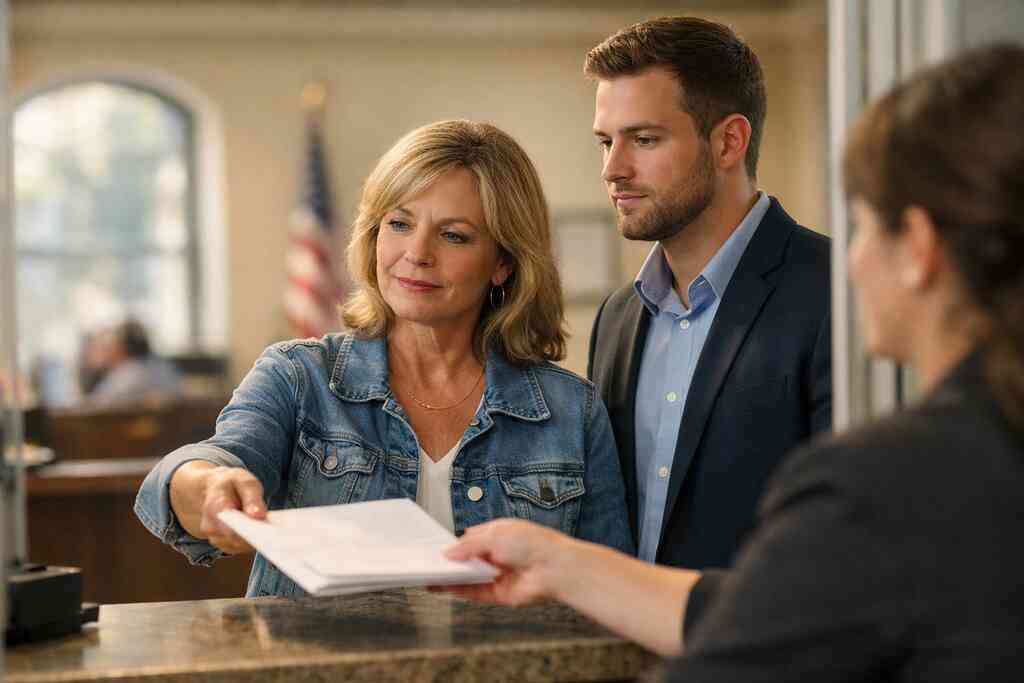
Your phone lights up again. It is the same kind of message, the same kind of dread, and the same sinking question: what do you do when someone you love refuses help? If you are in Florida and addiction is taking over a home, that fear can feel relentless. Families often reach a point where they need more than encouragement; they need a legal path, a treatment plan, and clear next steps. That is where the Marchman Act in Florida enters the conversation.
This is hard, and it is supposed to feel hard. You are not overreacting when alcohol, drugs, opioids, fentanyl, cocaine, heroin, or prescription drugs are causing danger at home. Families in Miami-Dade, Broward, and Palm Beach ask these questions every day. They are usually exhausted, worried, and unsure which move protects both safety and rights.
1) The family panic point when a loved one refuses help and the Marchman Act becomes the clearest path
When the signs are no longer denial and become an addiction crisis
At first, families excuse a lot. Missed work, strange sleep patterns, a sudden cash shortage, or a door that stays locked all day can look like stress. Then the pattern sharpens. The person is disappearing, lying, crashing, or becoming unreachable after using alcohol or drugs. That is often the moment denial stops being useful.
Here is the part most families miss. A crisis is not defined by one bad night. It is defined by repetition, danger, and loss of control. If someone keeps using fentanyl, heroin, cocaine, or prescription drugs despite obvious harm, you may be watching a substance use disorder overtake judgment. In Florida, families often begin searching for involuntary treatment when the situation keeps escalating and every voluntary conversation fails.
One family member in Tampa described it this way during a phone consultation: every promise sounded real until the next relapse. The house was calmer for two days, then the same cycle returned. That cycle is what pushes families from hopeful waiting to action. It is also why many start comparing legal options instead of hoping for one more conversation.
Why Florida families compare the Marchman Act and Baker Act before making a move
Families often ask about the Marchman Act vs Baker Act in Florida because both involve involuntary intervention. The Baker Act focuses on mental health crisis situations, while the Marchman Act addresses substance abuse and addiction crisis cases. That distinction matters. If the core problem is intoxication, withdrawal, or compulsive use, the Marchman Act usually fits better.
A Baker Act comparison can help you avoid delay. The wrong pathway can slow access to stabilization or create confusion at the courthouse. In Orlando, we often hear from families who already contacted a crisis stabilization unit and still did not know which law applied. A clear comparison helps you match the legal tool to the actual problem, not the fear surrounding it.
What involuntary commitment really means under Florida statute Chapter 397
Florida statute Chapter 397 governs substance abuse services and the Marchman Act process. People sometimes hear “forced rehab” and imagine a criminal punishment. That is not what this is. The Marchman Act is a civil commitment process. It allows a court to review whether someone needs involuntary treatment because substance use has created serious risk.
The phrase involuntary commitment can sound harsh, but the legal purpose is protection, not punishment. A judge reviews the facts, the assessment criteria, and the safety concerns before ordering treatment. That process can include a petition, an ex parte order, and a hearing. It also includes rights. Those rights matter, and they should not be glossed over.
Which substances and patterns most often push families toward court-ordered rehab
Certain patterns tend to trigger action faster. Fentanyl use can create immediate overdose fear. Heroin use may bring repeated relapse and withdrawal cycles. Cocaine can produce erratic behavior, spending sprees, and sleeplessness. Alcohol misuse can be just as dangerous, especially when withdrawal has already become unstable. Prescription drug misuse often adds secrecy, doctor-shopping, or mixing substances.
We have also seen families in Hillsborough and Jacksonville move toward court-ordered rehab when the person refuses every detox option, rejects outpatient treatment, and keeps using after near-fatal events. That is not a moral failure. It is a sign that the situation may have moved beyond informal family support. When that happens, the Marchman Act can provide a structured legal path toward assessment, stabilization, and treatment placement.
2) The proof that matters before a judge will even look at the case
The substance abuse assessment criteria that separate concern from legal action
Judges do not act on panic alone. They look for facts tied to Florida substance abuse assessment criteria. The question is not simply whether someone is using. The question is whether the person has lost self-control, is likely to suffer harm, and is unable to make rational decisions about treatment. That is why evidence matters.
A substance abuse assessment can help show whether the case meets the assessment criteria for involuntary treatment. ASAM criteria may also shape the level of care recommended later. Families often need help organizing what they know into something a judge can understand. That is especially true when the person has denied everything for months.
Why stabilization and detox history can matter when time is running out
Detox and stabilization history tell an important story. If someone has needed repeated detox admissions, left treatment early, or relapsed immediately after discharge, that pattern may show the limits of voluntary care. Families should not ignore prior emergency room visits, overdose reversals, or crisis stabilization unit stays. Those events help explain why the risk is immediate.
The detox and stabilization for addiction treatment stage often comes before any meaningful rehab plan. In practical terms, withdrawal can make someone too impaired to engage in treatment planning. We have seen families in Orange County rush to court after a second overdose because waiting felt unsafe. In those moments, documentation of prior detox, discharge notes, and follow-up failures can matter a great deal.
How dual diagnosis and mental health concerns change the plan
Many addiction cases involve more than substance use. Dual diagnosis means a substance use disorder and a mental health condition are both in play. Depression, anxiety, bipolar disorder, PTSD, and psychosis can complicate the treatment path. That does not automatically mean the Baker Act applies instead. It means the assessment must be more careful.
This is where legal and clinical coordination becomes essential. A person may need stabilization, a psychiatric evaluation, and addiction treatment at the same time. The wrong placement can miss one problem while treating another. Families in Broward often ask us how mental health changes the Marchman Act path. The short answer is that it may affect placement, but it does not erase the substance abuse case.
What evidence families usually gather before filing a petition
Families usually gather the pieces that show a clear pattern. That can include texts, failed promises, medical records, overdose reports, police involvement, photos of drug paraphernalia, or written statements from people who witnessed the behavior. Keep the records factual. Dates, places, and specific events help more than emotional summaries.
A strong file often includes:
- Recent examples of unsafe behavior
- Prior detox or rehab attempts
- Evidence of missed work, unsafe driving, or neglect
- Emergency room records, if available
- Names of witnesses who saw the addiction crisis unfold
If you need help organizing the evidence, the right family intervention support for addiction crisis can keep the process focused. Families rarely have perfect documentation. They need enough credible proof to show that the risk is real and the need is urgent.
3) The filing path that turns fear into an ex parte order and a hearing
Who can file a Marchman Act petition in Florida and when that authority applies
People ask this question constantly: who can file a Marchman Act petition? The answer depends on the relationship, the facts, and the court’s rules. In many cases, family members, guardians, or others with direct knowledge may be able to file. A person seeking to file should confirm local court practice and legal guidance first. The filing authority is important, but it is not a substitute for evidence.
If you are searching for how to file a Marchman Act petition in Florida, do not guess. The wrong filing can stall the case. Miami-Dade, Hillsborough, and Duval can each present practical differences in where paperwork goes and how quickly a judge reviews it. That is why families often ask for county-specific direction early.
What the petition process looks like from filing to judge review
The Marchman Act process and ex parte order usually begins with a petition and supporting facts. A judge then reviews the filing to decide whether the legal threshold is met. If the court finds enough evidence, it may issue an ex parte order. That order allows action without the other party present at that moment.
Then comes the hearing. The process is structured, but it can still feel overwhelming when emotions are high. Families want speed, while courts need facts. The petition process works best when the record is organized, precise, and truthful. In practice, that means every line should support the same story: the person needs evaluation and treatment, and voluntary efforts have failed.
How rights, notice, and the hearing shape the legal process for addiction treatment
The Marchman Act is not a shortcut around rights. It is a civil process with rules about notice, court review, and the chance to be heard. People subject to involuntary treatment retain legal protections. That is why involuntary treatment rights in Florida matter so much in these cases. A hearing is not theater. It is where the judge decides whether the facts support involuntary rehab. The person may have counsel or other representation, depending on the court process. Families sometimes feel guilty about asking for this intervention, but the legal system is designed to balance protection and liberty. That balance is the heart of civil commitment law. ### Where county resources and attorney guidance can make the process less chaotic 
County systems can help, but they can also confuse the process if you try to improvise. Florida DCF resources, local court clerks, and county treatment networks all play a part. The smarter approach is to use them in the right order. Start with legal clarity, then treatment placement, then transportation or coordination.
If you need attorney guidance for Marchman Act cases, that support can reduce delays and avoid filing mistakes. We also recommend checking county resources in Florida when local access is part of the problem. In Palm Beach and Miami-Dade, county-specific details can change how smoothly the case moves. The goal is not to make the process dramatic. The goal is to make it workable.
4) The treatment map families ask for once the court gets involved
Why detox, inpatient rehab, and outpatient treatment are not interchangeable
Families often say, “Can’t we just send them to rehab?” The honest answer is that treatment levels are not the same. Detox handles withdrawal. Inpatient rehab offers 24-hour structure. Outpatient treatment lets someone live at home while attending scheduled care. These serve different needs.
If the person is medically unstable, detox may come first. If relapse risk is extreme, inpatient rehab may be safer. If the person is stable enough for daily life, outpatient treatment can still work. The right setting depends on the clinical picture, not family pressure. That is why court-ordered rehab in Florida should always be paired with assessment, not assumptions.
How ASAM criteria can influence placement after an assessment
ASAM criteria help determine the appropriate level of care. Those criteria look at withdrawal risk, relapse risk, medical needs, mental health, and readiness for change. They are useful because addiction treatment should match the person, not the family’s preferred option. A person may need a crisis stabilization unit first, then detox, then a longer residential stay.
In the projects we’ve finished this year, the most common mistake was trying to skip straight to outpatient care after repeated relapse. That rarely solved the real problem. Families in Orlando and Tampa often want the least disruptive option, which is understandable. But if the assessment shows severe risk, the safer placement usually wins.
Where medication-assisted treatment with naltrexone or buprenorphine may fit
Medication-assisted treatment can be part of a sound plan. Naltrexone and buprenorphine are FDA-approved medications that may help certain patients, especially with opioid use disorder. They are not magic. They work best when paired with counseling, monitoring, and a treatment environment that supports follow-through.
Medication-assisted treatment can be especially relevant in the opioid epidemic Florida families are living through. Fentanyl and heroin increase overdose risk, and some patients benefit from structured medication support after detox. That said, medication choice belongs with the clinical team. Families should ask about options without assuming one medication suits every case.
How insurance, Medicaid, Medicare, and private pay can affect the next move
Treatment decisions are clinical first, but payment still matters. Insurance coverage for rehab in Florida can vary by plan and level of care. Medicaid and Medicare may cover some services, but benefits depend on eligibility and facility participation. Private pay is another route, though it is not always realistic.
Here is a simple comparison:
Payment PathCommon UseWhat Families Should CheckInsuranceMany rehab admissionsNetwork status, prior authorization, level of careMedicaidEligible Florida residentsCovered services, provider acceptanceMedicareCertain approved servicesBehavioral health and facility rulesPrivate payDirect payment optionUp-front cost, deposits, length of stayFamilies should also ask about county resources if coverage is limited. The right placement can still be found when money is tight. The key is to coordinate quickly and honestly.
5) The reason families choose MarchmanAct.com when the stakes are highest
How Florida families use MarchmanAct.com for involuntary rehab support without guessing
Families come to MarchmanAct.com when they need clarity, not lectures. They want to know what the law allows, what the court expects, and what treatment might follow. They also want someone who understands that addiction crises rarely happen on a neat schedule. That is especially true when a person is using alcohol, opioids, fentanyl, cocaine, heroin, or prescription drugs.
If you need Marchman Act support for Florida families, the value is in reducing confusion. You do not have to guess about the petition, the hearing, or the next treatment step. You can ask better questions and act with more confidence. That matters when the difference between delay and action can be enormous.
Why local guidance matters in Miami-Dade, Broward, Palm Beach, Orange, Hillsborough, Tampa, Orlando, and Jacksonville
Florida is not one courthouse, and it is not one treatment market. Families in Miami-Dade may need different local resources than families in Jacksonville or Tampa. Broward and Palm Beach can have different access patterns than Orange or Hillsborough. Local knowledge helps avoid wasted time.
A mother in Orlando once told us she had spent a week calling places without knowing whether she needed detox, inpatient rehab, or a crisis stabilization unit. She was tired, but she was also determined. Once the options were sorted by county access and level of care, the path became clearer. That kind of practical guidance is often the difference between action and more waiting.
How county resources, crisis stabilization units, and treatment referrals fit together
County systems, crisis stabilization unit access, and treatment referrals should work like a chain. If one link breaks, families lose momentum. That is why a coordinated approach matters. SAMHSA resources, Florida DCF information, and local treatment networks can all help, but they need to be applied in the right sequence.
Marchman Act support in Miami-Dade County, Marchman Act support in Broward County, Marchman Act support in Palm Beach County, and the other county pages can help families stay grounded in local reality. The best plan is the one that fits the person and the place. That is especially true when time is short and emotions are raw.
What to do when the goal is saving a life from addiction and building long-term recovery support
Start with one concrete move today. Gather your notes, write down the worst incidents, and identify whether the issue is mainly substance use, mental health, or both. Then review the petition path, the assessment criteria, and the local treatment options before the next crisis hits. If you need help, reach out for Marchman Act guidance before the situation becomes more dangerous.
Families do not need perfect language. They need a workable plan. They also need honesty about the limits of the law. The Marchman Act can open the door to involuntary treatment, but it cannot guarantee recovery. What it can do is create a lawful path toward evaluation, stabilization, and a real chance at treatment. If you are ready to act, contact MarchmanAct.com and take the next step with support that understands Florida, the courts, and the weight you are carrying.
Frequently Asked Questions
Question: What is the Marchman Act in Florida, and how does MarchmanAct.com help families with involuntary commitment during an addiction crisis?
Answer: The Marchman Act is Florida’s civil commitment law for substance use disorder cases where a person may need involuntary treatment because alcohol or drugs have created serious safety concerns. MarchmanAct.com helps families understand the legal process, gather the right information, and explore next steps such as a petition, assessment, stabilization, and treatment coordination. Their support is especially helpful when a loved one refuses help for opioids, fentanyl, cocaine, heroin, prescription drugs, or alcohol and the family needs a clearer path than waiting for another crisis. They also help families think through rights, court review, and possible treatment options while keeping the focus on safety and long-term recovery support.
Question: How do I file a Marchman Act petition, and who can file a Marchman Act petition in Florida?
Answer: The filing process under Florida statute Chapter 397 depends on local court practice and the facts of the case, so families should not guess or rely on assumptions. In general, a Marchman Act petition is built on evidence showing a substance abuse assessment concern, loss of self-control, and a real risk of harm. People who have direct knowledge of the addiction crisis may be able to file, but eligibility can vary, so it is wise to confirm local requirements before moving forward. MarchmanAct.com helps families organize evidence, understand the petition process, and avoid common mistakes that can delay judge review, an ex parte order, or a hearing. Their guidance is useful for families in Miami-Dade, Broward, Palm Beach, Orange, Hillsborough, Tampa, Orlando, and Jacksonville who need practical direction quickly.
Question: What happens after a Marchman Act petition is filed, and how do ex parte order, hearing, and rights work in the legal process for addiction treatment?
Answer: After a petition is filed, a judge reviews the facts to decide whether the legal threshold for involuntary treatment appears to be met. If the court finds enough evidence, it may issue an ex parte order, followed by a hearing where the case is reviewed more fully. Throughout this civil commitment process, the person still has rights, and those rights are an important part of Florida’s legal process for addiction treatment. MarchmanAct.com helps families understand how this works without making the process feel overwhelming. They explain the difference between emergency action and the longer court process, and they help families stay focused on documentation, safety, and the next treatment step rather than panic.
Question: How does the Top 5 Reasons Families Use MarchmanAct.com for Involuntary Rehab content help me compare the Marchman Act vs Baker Act in Florida?
Answer: The blog explains that the Marchman Act is generally used for substance abuse and addiction crisis situations, while the Baker Act is focused on mental health crisis situations. That distinction matters because families sometimes reach for the wrong legal option when the real problem is intoxication, withdrawal, or compulsive use of alcohol, drugs, opioids, fentanyl, cocaine, heroin, or prescription drugs. MarchmanAct.com helps families compare the Marchman Act vs Baker Act so they can choose the path that better matches the actual crisis. This can reduce delays, improve coordination with a crisis stabilization unit or addiction treatment center, and make it easier to move toward the right level of care, whether that is detox, inpatient rehab, or outpatient treatment.
Question: Does insurance cover Marchman Act rehab, and what treatment options like detox, inpatient rehab, outpatient, or medication-assisted treatment may be available?
Answer: Insurance coverage for rehab can vary by plan, provider network, and level of care, so families should always verify benefits before making assumptions. MarchmanAct.com helps families think through options such as private pay, Medicaid, Medicare, and insurance coverage for rehab while also considering the clinical needs identified in the assessment. Depending on the situation, a person may need stabilization and detox first, then inpatient rehab, or possibly outpatient treatment after a safe transition. For some people with opioid use disorder, medication-assisted treatment may also be part of the plan, including options like naltrexone or buprenorphine when clinically appropriate. MarchmanAct.com does not promise a specific outcome, but it does help families understand how to connect the legal process with realistic treatment planning and county resources in Florida.