
Navigating Forced Rehab in Florida
Understanding the Need for Involuntary Rehab
In Florida, involuntary rehab serves as a critical mechanism for families confronting addiction challenges that feel insurmountable. Florida involuntary rehab solutions are designed to provide necessary intervention when individuals struggling with severe addiction pose a danger to themselves or others. This need often arises after voluntary treatment options have been exhausted and a structured, legal approach becomes necessary to ensure safety and recovery. The Marchman Act provides a legal framework that empowers families to initiate treatment for those who are unable to make rational decisions about their care, offering a path toward healing and stability.
Challenges Families Face in Seeking Help
Families seeking help through involuntary rehab often encounter a maze of emotions and systemic obstacles. The process can be emotionally taxing, as it involves confronting the harsh reality of a loved one’s addiction. Understanding the specific legalities involved can also be daunting without proper guidance. Families must balance respect for their loved one’s autonomy with the urgent need for intervention. Access to information and support is critical in overcoming these hurdles, and knowing where to turn can make a significant difference. Families often grapple with feelings of guilt and confusion, making compassionate, well-informed support systems all the more essential.
Legal Framework and Rights in Florida
Florida’s legal framework for forced rehab is primarily governed by the Marchman Act, which outlines the conditions under which individuals can be legally compelled to undergo treatment. The act specifies criteria including the individual’s inability to recognize their need for treatment and the risk they pose to themselves or others. Legal rights during forced rehab include the right to counsel and periodic assessment of the necessity for continued treatment. Understanding this framework is vital for families as they work to secure mandated care, ensuring their actions are both legally compliant and ethically sound. Families must also be aware of the rights granted to their loved ones under this framework to maintain a proper balance between intervention and individual rights. For a deeper look at the underlying statute, see Understanding Chapter 397 Florida and Substance Abuse Petitions.
1 – The Marchman Act: A Lifeline for Families
Step-by-Step Guide to the Marchman Act Process
The Marchman Act provides a comprehensive process for petitioning the court to mandate treatment for individuals unable to commit voluntarily. The process typically begins with filing a detailed petition that outlines the necessity for involuntary treatment. A judge then reviews the petition to determine whether the criteria under the Marchman Act are met, potentially leading to a court order for evaluation and treatment. Understanding each step – preparation, filing, and follow-up – gives families a clear roadmap for leveraging this legal tool effectively. Timelines are established for intervention, ensuring the process moves swiftly to address the urgent needs of individuals at risk. Families can also review the Marchman Act Process: 4 Steps to Help Your Loved One for a structured overview.
Who Can File and What Are the Requirements?
In Florida, the Marchman Act allows specific individuals to file a petition, including family members, health professionals, or interested parties such as a neighbor or close friend. Requirements include demonstrating, via affidavit, the individual’s substance abuse issue and their inability to make rational decisions about their treatment. Petitioners must also establish that the individual poses a threat to themselves or others, or is unable to care for their own basic needs. This ensures that only the most serious cases are subjected to involuntary commitment, protecting individual liberties while addressing critical health needs. Accurate and detailed documentation is paramount, underscoring the importance of thorough preparation to meet the act’s stringent criteria.
Success Stories and Real-Life Applications
There are numerous instances where the Marchman Act has significantly altered the course of a person’s life, leading to successful recovery and rehabilitation. Families have shared how compulsory treatment served as a turning point, allowing their loved ones to receive the care they desperately needed but had refused to seek on their own. These accounts highlight the effectiveness of legal intervention in breaking the cycle of addiction and in restoring relationships and futures. These stories underscore the Marchman Act’s vital role as a tool for hope and healing, illustrating its real-world applications as a catalyst for change for those battling the complexities of addiction.
2 – Emergency Detention Orders: Immediate Intervention
Criteria for Emergency Detention in Florida
Emergency detention orders offer a rapid-response mechanism for cases where individuals pose an immediate danger to themselves or others due to substance abuse. The criteria for such detention include proof of severe impairment or risk that demands urgent intervention. These orders are designed to facilitate crisis management, underscoring the importance of balancing immediate safety with long-term recovery goals. Families and authorities must work within legal boundaries to ensure that the need for swift action does not compromise the individual’s rights or dignity.
Balancing Urgency with Compassion
Emergency detention must be approached with a balance of urgency and compassion, ensuring that immediate safety needs do not override the humane treatment of individuals. Intervening families and professionals are encouraged to approach the situation with empathy, recognizing the fear and resistance that often accompanies such interventions. Communication, support, and understanding are vital, making the process less traumatic for the individual and their loved ones. Successful interventions frequently hinge on this balance, enabling a supportive transition into more structured treatment pathways.
Legal Considerations and Family Support
Legal considerations are central to the emergency detention process, requiring adherence to state-specific regulations to ensure lawful intervention. Families must be informed of their loved one’s rights during this time, as well as their own responsibilities and limitations. Support from legal professionals specializing in involuntary rehab can provide critical guidance, helping families work through the intricate legal landscape. Emotional and psychological support for families is equally important, as the process can be especially challenging. Comprehensive family support services can help address these needs by offering guidance, reassurance, and practical assistance throughout the intervention. For additional context on what families should expect, see What Families Need to Know About Involuntary Commitment Florida.
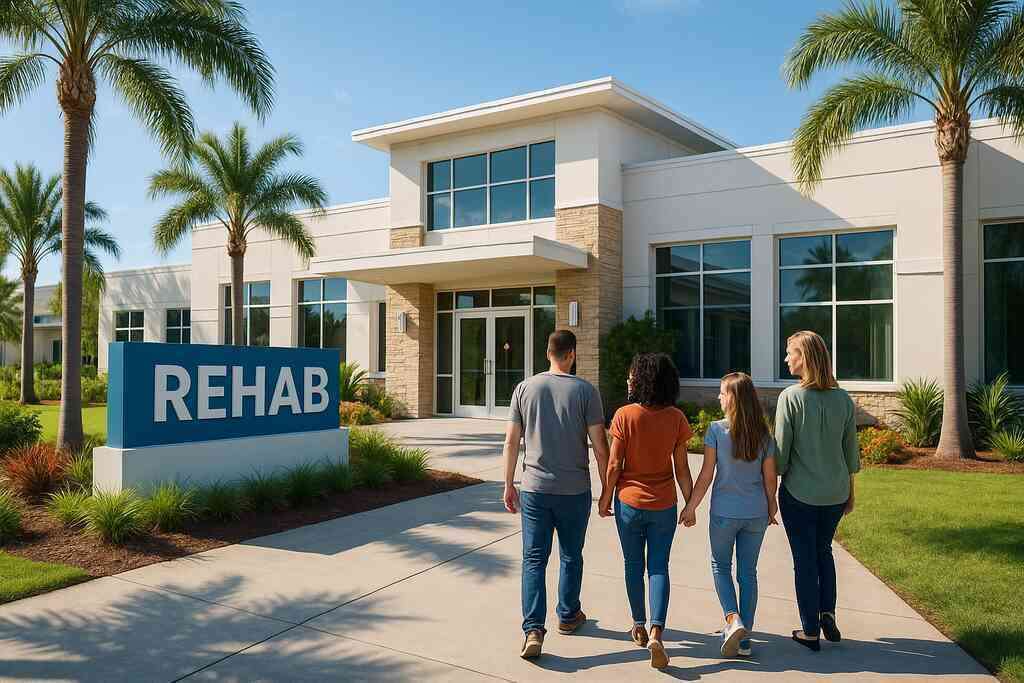
3 – Court-Ordered Rehab: Structured Recovery Pathways
How Court-Ordered Rehab Works in Florida
In Florida, court-ordered rehab represents a structured pathway to recovery where legal mandates require individuals to participate in treatment programs. This process often follows legal proceedings initiated by family members or professionals, compelling those who might otherwise refuse help to engage in necessary rehabilitative measures. Understanding the nuances of this process – including compliance and monitoring requirements – is essential for families seeking to use court-ordered treatment as an effective tool against addiction. Legal directives ensure adherence to treatment plans, fostering environments that support recovery and long-term sobriety.
Types of Treatment Programs Available
Court-ordered rehab in Florida encompasses a wide range of treatment programs tailored to meet diverse needs, including inpatient, outpatient, and detox services. These programs address varying levels of addiction severity and associated mental health issues through personalized treatment plans. Options include intensive therapy sessions, medical detoxification, and long-term recovery programs aimed at sustainable sobriety. Each program is designed to provide comprehensive care that supports all aspects of an individual’s recovery, ensuring both physical and mental wellness are adequately addressed.
Navigating the Legal Process with Confidence
Confidence in navigating the court-ordered rehab process comes from understanding the system and proactively engaging with it. Knowledge of legal obligations, rights, and available resources empowers families to make informed decisions. Engaging with legal professionals can provide clarity and assurance, helping to streamline the process and address challenges as they arise. Ongoing support and resources can further help families focus on supporting their loved one’s recovery journey effectively. Families can also benefit from reviewing Top 5 Marchman Act Attorney Tips for Florida Families 2026 for practical legal guidance.
4 – Inpatient vs. Outpatient Treatment: Making the Right Choice
Pros and Cons of Inpatient Rehab
Inpatient rehab provides a structured environment away from potential triggers and stressors, offering around-the-clock support and medical supervision. The immersive nature of inpatient treatment is particularly beneficial for individuals with severe addictions, facilitating intensive therapeutic interventions. However, it can also be costly and may require significant lifestyle adjustments. Understanding the comprehensive support offered by inpatient treatment helps families weigh these factors in the context of their loved one’s specific needs and circumstances.
Understanding Outpatient Treatment Options
Outpatient treatment offers flexibility for individuals to receive therapy while continuing to live at home and manage daily responsibilities. This format can benefit those with supportive home environments or less severe addiction issues. Outpatient programs often include various therapeutic modalities and support group sessions, allowing for a personalized approach that addresses specific recovery needs. Assessing the intensity and duration of available outpatient programs ensures they align with the individual’s recovery goals and lifestyle requirements.
Determining the Best Fit for Your Loved One
Choosing the right treatment option involves considering the severity of the addiction, available support systems, and individual preferences. Comprehensive assessments by addiction specialists can guide families in choosing between inpatient and outpatient options, ensuring alignment with their loved one’s recovery trajectory. Families should also weigh financial and logistical factors, exploring available resources to facilitate the best possible outcome. Open communication with health professionals and within the family supports this decision-making process, ensuring all aspects of the individual’s needs are addressed. For a detailed comparison of program lengths, see the Review of 30 Day vs 90 Day Rehab Programs at MarchmanAct.com.
Frequently Asked Questions
Question: How does the Marchman Act work in addressing involuntary rehab needs in Florida?
Answer: The Marchman Act is a powerful legal tool that allows families in Florida to seek involuntary rehab for loved ones who are struggling with severe addiction and are unable to make rational decisions about their care. This act provides a structured process for obtaining court-ordered treatment when voluntary options have been exhausted. By filing a petition supported by an affidavit, families can demonstrate the necessity for intervention due to the individual’s inability to care for themselves or the danger they pose to themselves or others. This structured approach ensures compliance with legal and ethical standards, representing a lifeline for families working through the complexities of forced rehab in Florida.
Question: What challenges do families face when seeking help through emergency detention orders in Florida?
Answer: Families seeking emergency detention orders in Florida often encounter a combination of urgency and emotional burden. The primary challenge is navigating the legal intricacies required to secure such orders, which demand concrete evidence of the individual’s danger to themselves or others due to substance abuse. There is also the emotional challenge of balancing immediate safety with compassion, ensuring humane treatment during interventions. Legal support from MarchmanAct.com specialists can be invaluable in guiding families through this process, providing the understanding and preparation needed to manage the situation effectively while respecting the rights and dignity of the individual involved.
Question: What are the advantages of court-ordered rehab as outlined in the Top 7 Forced Rehab Options Families Use in Florida 2026 blog?
Answer: Court-ordered rehab offers a structured and legally enforced pathway to recovery for individuals who may refuse voluntary treatment. As discussed in the ‘Top 7 Forced Rehab Options Families Use in Florida 2026,’ this method provides a comprehensive framework for mandated care, ensuring that affected individuals engage in necessary rehabilitation programs. The benefits include a diverse range of treatment options tailored to different addiction severities, such as inpatient, outpatient, and detox services. These programs ensure holistic care, addressing both physical and mental health needs. MarchmanAct.com provides expert guidance to families throughout this legal process, ensuring compliance with court directives and fostering environments that support long-term sobriety.
Question: How can families determine the best-fit rehabilitation program between inpatient and outpatient treatment for their loved ones?
Answer: Determining the best rehabilitation fit involves evaluating the severity of the addiction, existing support systems, and individual preferences. Inpatient programs offer intensive, supervised environments ideal for severe addiction cases, providing constant support and minimizing exposure to external triggers. Outpatient programs offer more flexibility, allowing individuals to receive treatment while maintaining daily responsibilities, which can suit those with less severe addictions. Consultation with addiction specialists, like those at MarchmanAct.com, can help families make informed decisions. These experts provide comprehensive assessments and guidance, ensuring that the chosen program aligns with the individual’s recovery needs and lifestyle, thereby facilitating the best possible treatment outcomes.
Question: Are there any success stories illustrating the effectiveness of involuntary rehab through the Marchman Act?
Answer: Yes, there are numerous success stories that highlight the transformative impact of the Marchman Act in Florida. Many families have shared accounts where this legal framework served as a crucial turning point for their loved ones. By mandating treatment, individuals who were previously resistant received the necessary care, leading to successful recovery and rehabilitation. These stories emphasize not only the break in the cycle of addiction but also the restoration of relationships and personal futures. MarchmanAct.com showcases these real-life applications to illustrate the hope and healing potential of involuntary rehab, reinforcing trust in their expertise and commitment to helping families successfully address addiction challenges.